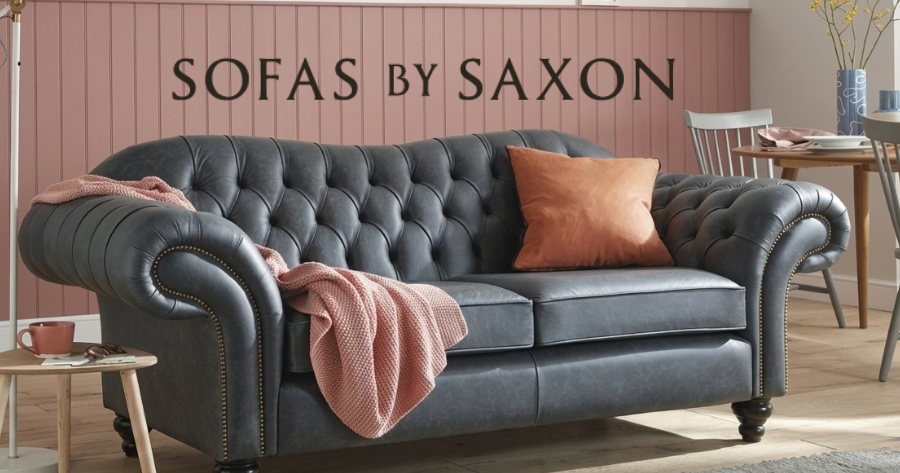
Based in the UK, Sofas By Saxon is a premium furniture brand globally known for its traditional Chesterfield style heritage. Every piece is built in-house with a level of craftsmanship and detail that has been long associated with the chesterfield style.
A strong product legacy such as this one presents a unique digital challenge. As the brand continues to grow its ecommerce presence, its immersive user experience and quality of product customisation also needs to grow with it. This is where replatforming its site is essential for allowing these changes.
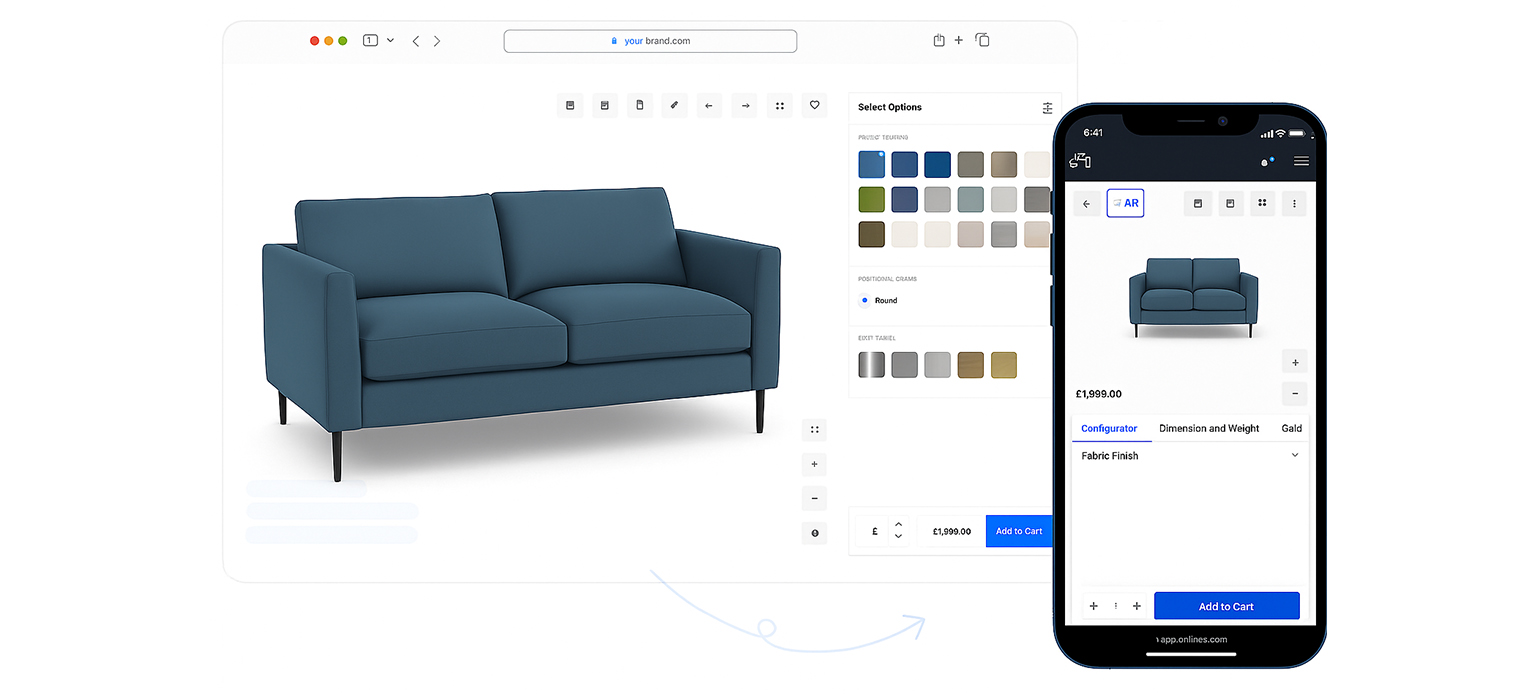
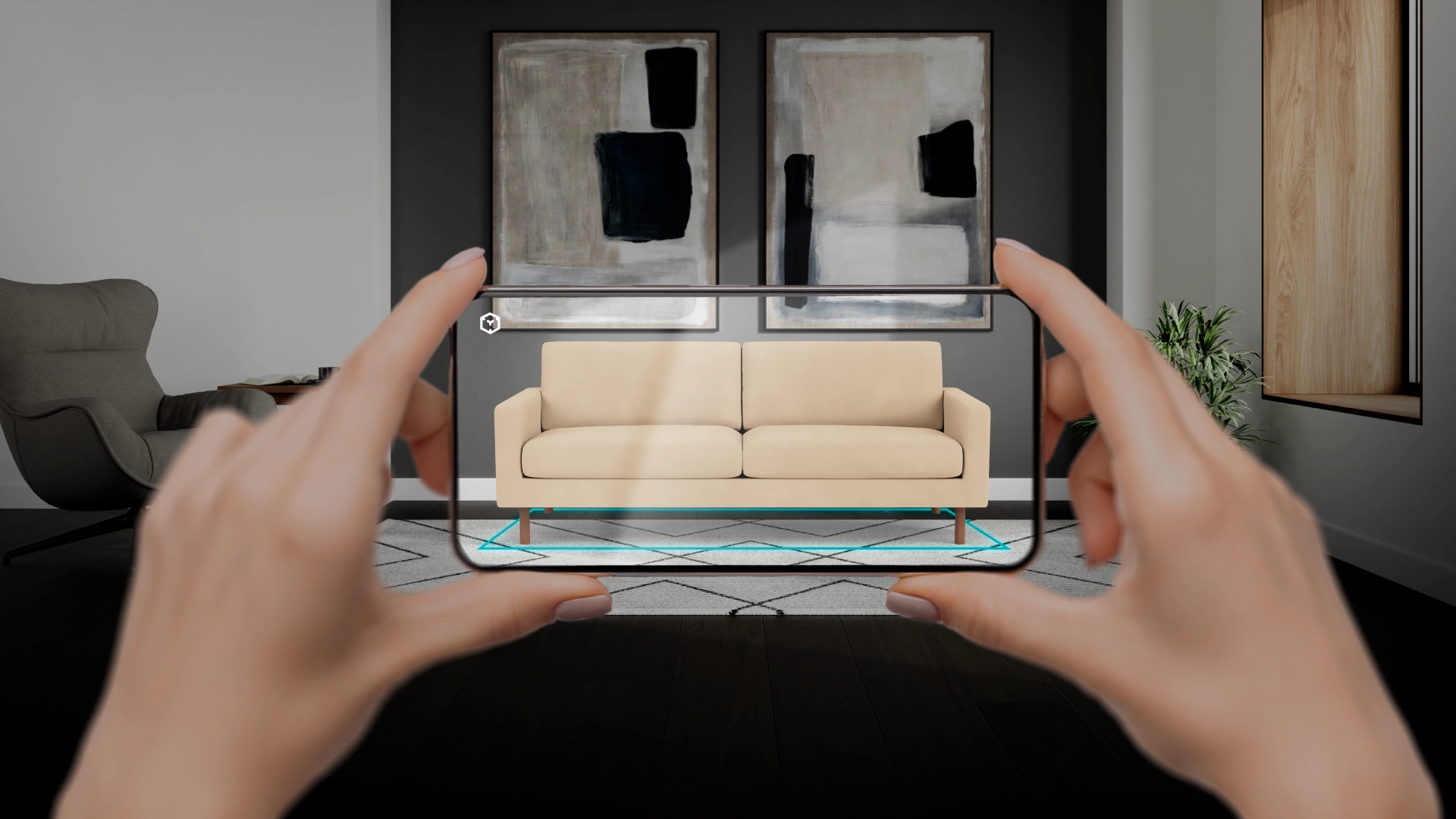
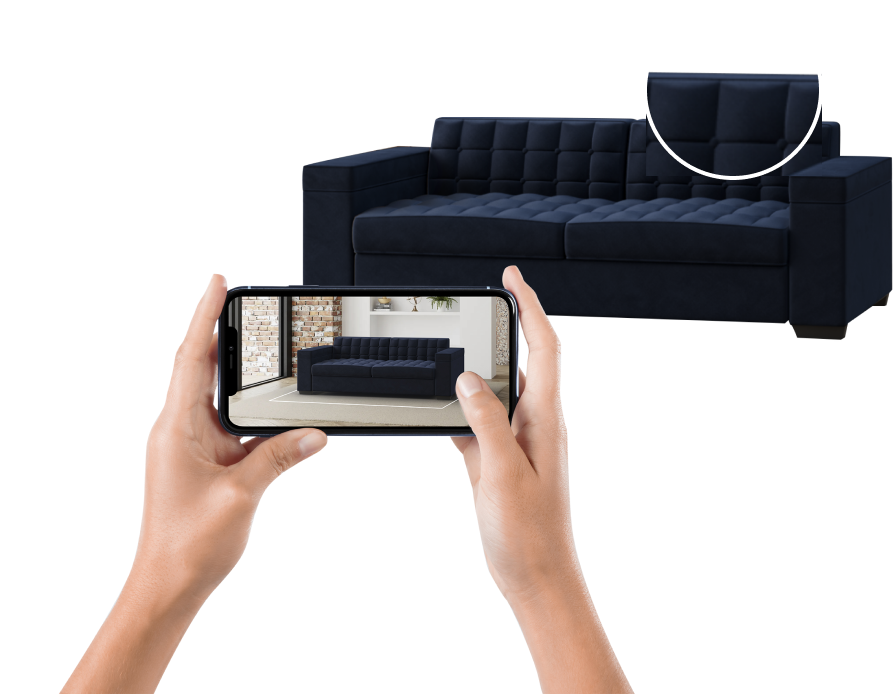
Site migration is often needed for 3D assets and AR, as it requires a platform that can handle large media files. When a user rotates a product, changes the fabric or drops it in their space using AR, the experience feels really simple. Behind the scenes, however, there’s a lot more than what meets the eye when it comes to dropping the showroom experience right into people’s homes via augmented reality.
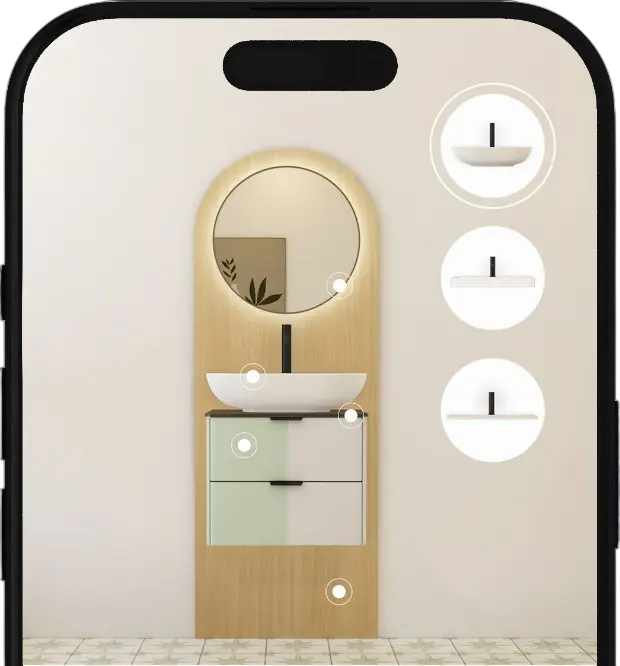
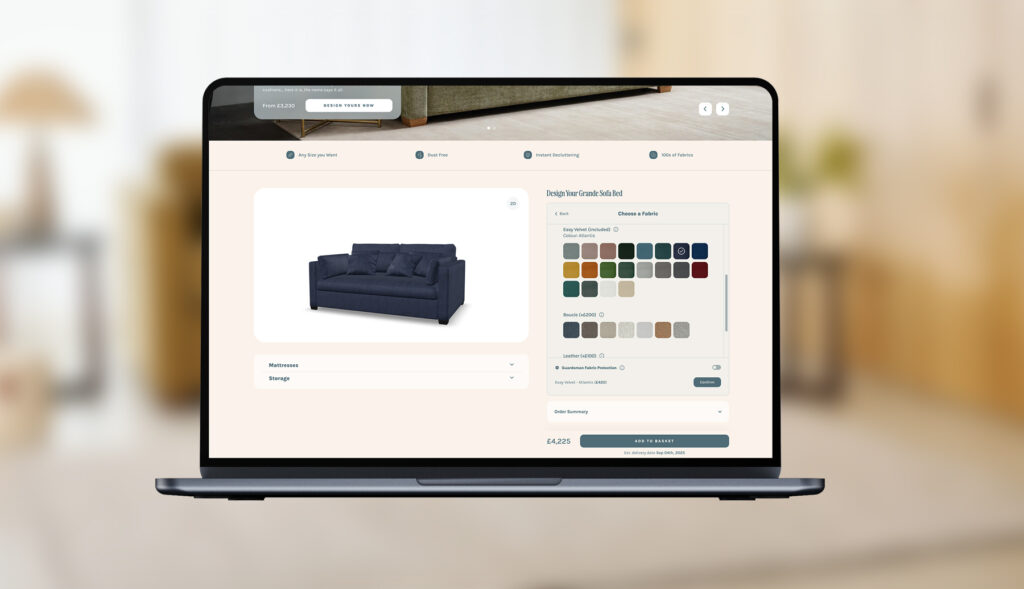
Showcasing furniture products as realistically as possible comes with a distinct challenge, especially with products offering multiple configuration options such as fabrics, finishes, sizes and structures. Translating textures, lighting, colours and materials is essential as customers rely heavily on visual confidence before buying.
As we worked closely with the Sofas By Saxon team, it became clear there was an opportunity to further enhance and evolve the digital experience to match the increasing complexity of the product range and rising customer expectations. The underlying platform and structure needed to scale in step with this evolution.
When E-commerce Brands Outgrow Their Platform
Early-stage businesses frequently benefit from platforms such as Shopify or WooCommerce because they allow for faster launches, simpler catalogue management and lower operational overhead. However, as brands grow, their requirements become more demanding for various reasons. This can be anything from expanding their product ranges, the need for 3rd party integrations and being able to handle more complex media assets.
Do We Always Recommend Replatforming Your Site?
At Morf, we believe that replatforming your site can be a great decision if there is a demand to suit a variety of business and technical needs. However, we do not always recommend transferring all of your digital assets, content and data to another platform, as doing so can sometimes cause more harm than good.
While migration may seem like the best solution in certain situations, it can lead to unexpected complications such as data loss, compatibility issues, security risks and a potential impact on your site’s SEO performance. Plus, existing platforms can be updated or improved to meet business needs, to a certain extent.
With that being said, as businesses evolve, their operational needs, customer expectations, and technical requirements often become more complex. In some cases, an existing platform may no longer provide the flexibility, scalability, integrations, performance, or functionality needed to support future growth. In turn, this is where we realised that Sofas By Saxon needed a platform to accommodate for its growth, leading us to a new strategy.
How Did We Assess The Requirement?
It goes without saying that a strategy for website migration was required to understand what was compatible with the needs of Soxas By Saxon. This led us to assess the following areas:
Compatibility With Complex Product Configurations
As the e-commerce business grew, so did their product variants and configurations. This is why Sofas By Saxon was in need of a platform that could handle such varieties, and this process entailed evaluating the number of SKUs, product customisation options and filtering requirements.
A Platform That Allows For 3D & AR Experiences
As Sofas By Saxon grows, they are in need of a platform that allows customers to interact with their products on a whole new immersive level. With this in mind, a migration towards a platform that could handle large media files such as Morf’s 3D rendering services was needed.
Customer Journey Through Various Devices
We assessed customer journeys through various devices to ensure they had a seamless experience without being prevented by any blockages or friction. For this reason, it was important that the platform supported new responsive UX and UI designs that represented the brand as well as taking the customers on an easy digital journey, page by page.
Seamless Integrations
Just like many other growing e-commerce businesses, Sofas By Saxon needed a platform that could handle integrations from third-party services, EPR systems, payment gateways and inventory management.
Why Migration Was The Right Decision
Based on this large number of needs and assessments, it’s clear that the business wasn’t just dealing with minor changes. Small improvements to the existing site would simply not be enough to reach the scalability in which the brand is striving for, and so a whole site migration was necessary.
What We Delivered During The Migration: Our Achievements
After realising that a full migration was needed, this is what Morf delivered during the process. Becoming a whole lot more than just a simple platform change, it was a full transformation of how product data, content and experience layers work together. This resulted in a more engaging customer journey as they were more enticed to the brand’s storytelling and its interactive product pages.
End-to-End Product Data Migration
We migrated the entire product catalogue into the new environment, including complex product structures, variants, attributes, configurations and media assets. The migration was carefully structured to preserve consistency across the catalogue while creating a far more scalable foundation for future growth, product expansion and richer customer experiences.
Structuring for Configurator-Led Experiences
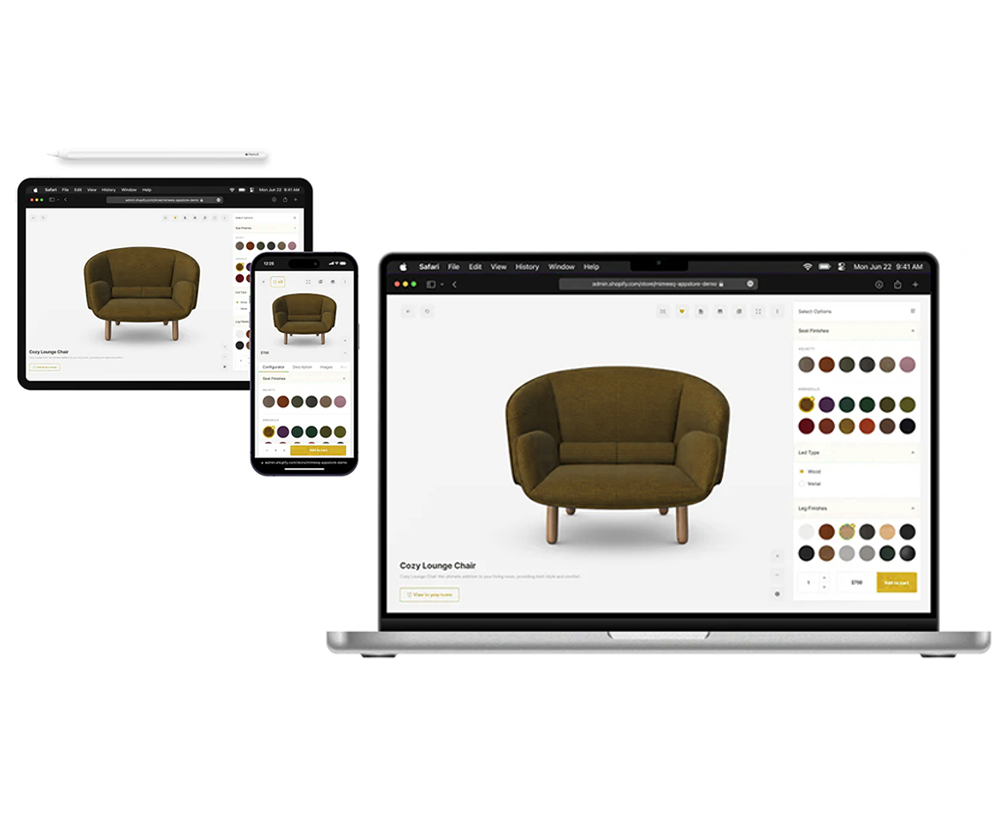
We restructured product data to support multi-level configurations, material and finish options which ultimately created the foundation for a more interactive buying journey.
Enabling 3D & AR at Scale
Furniture products are certainly not simple variants to work with when it comes to translating what they truly look like via the digital space. We enabled 3D visualisation and AR product placement across various devices. The focus was on making these experiences feel seamless while maintaining strong performance.
Experience Layer Optimisation
We reworked the product page experience to create an engaging customer journey. Visual storytelling was strengthened throughout the site, page structures were refined, and interactions were designed around real customer behaviour. The result was a smoother browsing experience that reduced friction, increased clarity and helped customers feel more confident throughout the buying journey.
Integration Readiness for Future Scale
The new setup is designed for growth. It supports ERP and CRM integration, future feature development, and expansion across product categories.
Is Platform Migration Right For You?
After reading this case study, the idea of migrating to a website that allows a business to scale and grow more efficiently might have resonated with you – so why don’t you get in contact with us to have a chat about your next steps? We’re always happy to help.